Click
image to zoom in
Click color to select a different size
Six sizes of burlap sacks - made with 100% burlap Dozens of uses, Stock up Today!!
Select Burlap Sack Size:
4X6
6X10
8X12
12X20
18X24
23X40
4" x 6" Burlap Sack
OCBBS1
Qty:
$
6" x 10" Burlap Sack
OCBBS3
Qty:
$
8" x 12" Burlap Sack
OCBBS4
Qty:
$
12" x 20" Burlap Sack
OCBBS5
Qty:
$
18" x 24" Burlap Sack
OCBBS6
Qty:
$
23" x 40" Burlap Sack
OCBBS7
Qty:
$
Burlap sacks, also called jute sacks, potato sacks, tow sacks, or burlap bags, are one of the most practical and durable storage bags ever used on farms and homesteads. Traditionally woven from natural jute fiber, burlap sacks are strong, breathable, reusable, and biodegradable.
For generations farmers have used burlap sacks to store potatoes, onions, grain, feed, and root vegetables. Today they are also widely used for gardening, landscaping, plant protection, composting, crafts, and even sack race games.
At Red Hill General Store you'll find sturdy burlap sacks and natural jute bags - the same kind our farmer ancestors have used for generations. Built tough for potatoes, garden harvests, storage, and a hundred other everyday jobs.
What Is a Burlap Sack Used For?
If you have ever wondered what a burlap sack is used for, the answer is simple: just about
everything around a farm, garden, workshop, or homestead. Burlap sacks are valued because they are breathable,
durable, reusable, and easy to work with.
Potato sacks and potato storage bags
Burlap potato bags for harvested root vegetables
Garden bags for planting and seasonal use
Burlap bags for plants and root ball protection
Large burlap bags for farm storage
Biodegradable burlap bags for eco-conscious projects
Natural jute bags for crafts and rustic decorating
Sack race bags for field days, school events, and parties
Why Choose Burlap Sacks?
Burlap bags remain popular because they solve problems plastic bags do not. The woven jute material allows airflow,
which helps with produce storage and plant use, while the sturdy construction gives you a reusable bag for repeated jobs.
Breathable: Helps reduce trapped moisture during produce storage
Strong: Suitable for farm, garden, and storage use
Reusable: Useful again and again for practical tasks
Biodegradable: Natural jute breaks down over time
Heat Resistant:Tolerates warm conditions better than many synthetic fabrics.
Easy to Dye: Jute fibers absorb dye well, allowing easy colors for crafts, decorations, and projects.
Versatile: Good for storage, gardening, decor, and events
Popular Uses for Burlap Bags
Potato Sacks & Potato Storage Bags
One of the most traditional uses for burlap sacks is as potato sacks. The breathable weave makes
burlap potato bags a practical choice for storing potatoes, onions, garlic, and other root vegetables. If you are
looking for reliable potato storage bags, burlap remains a classic option.
Garden Bags & Burlap Bags for Plants
Gardeners use burlap bags for plants in many ways. They can be used as simple garden bags for
planting potatoes, holding soil amendments, collecting weeds, or protecting root balls and shrubs. Burlap is also
useful around trees and garden beds as a time honored landscape fabric to prevent weeds because it is breathable and easy to cut to size.
Large Burlap Bags for Farm and Homestead Use
Large burlap bags are useful for produce handling, seasonal storage, seed, feed, kindling, and
general farm chores. Around the homestead, they are often used anywhere a strong lightweight bag is needed.
Biodegradable Burlap Bags
Because they are woven from jute, these are biodegradable burlap bags that can be used where a
natural fiber product is preferred over plastic. They are a practical fit for gardeners, homesteaders, and anyone
trying to keep materials simple and traditional.
Natural Jute Bags for Crafts and Decor
Natural jute bags are also popular for rustic wedding and event decorating, gift packaging with twine, bulletin boards, table displays, and
craft projects. Their classic texture brings old-fashioned and farmhouse-styles to life. People have been using them since the beginning of time it seems.
Tow Sacks and Sack Race Bags
Some folks still call them tow sacks. They are also commonly used as sack race bags
for school events, picnics, church gatherings, and family reunions.
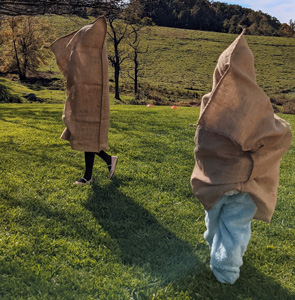
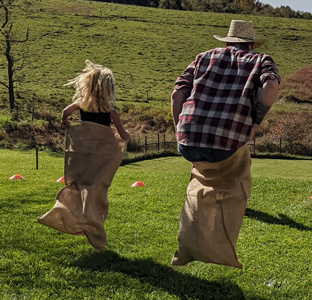
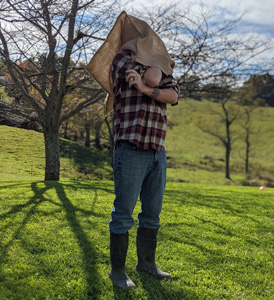
Burlap potato sacks have long been used for sack races at school field days, county fairs, and family gatherings. Traditional burlap sack race bags used for school field days, picnics, and outdoor games. Large burlap sacks are commonly used as potato sacks and sack race bags for field days and community events.
Burlap Sack Sizes Available
We offer burlap sacks in several sizes so you can choose the right bag for storage, gardening, crafts, or events.
4" x 6"
6" x 10"
8" x 12"
12" x 20"
18" x 24"
23" x 40"
Smaller sizes are handy for crafts, gift packaging, and party uses, while larger sizes work better as potato sacks,
garden bags, and farm storage bags.
What Is Sack Racing?
A sack race is a classic outdoor game where participants step inside a sack-traditionally a burlap sack or potato sack-and hop toward a finish line. The first person to cross the line without falling wins.
Sack racing has been part of school field days, county fairs, picnics, and farm gatherings for over a century. The game became popular in the late 1800s and early 1900s when farm communities often had burlap grain and potato sacks readily available, making them perfect for outdoor games.
Today, sack race bags are still used for school field day games, summer camps, birthday parties, church picnics, fall festivals, family reunions, and team-building events.
Participants step inside the sack, hold it at their waist, and hop toward a finish line while keeping both feet inside the bag. Burlap sacks are most commonly used because they are durable, breathable, and easy to grip.
Common Types of Sack Race Bags
Traditional burlap sacksare the classic choice for sack racing because they are strong, breathable, and easy to grip. Burlap is woven from durable jute fibers, giving the sack enough strength to handle repeated hopping and rough play. The rough texture also helps racers hold the sack securely while hopping.
Because the woven fabric allows airflow, burlap sacks stay comfortable during active games.
These qualities are why old burlap potato sacks and tow sacks became the standard sack race bags used at school field days, county fairs, and community picnics.
Their time honored appearance also gives sack races the traditional old-fashioned feel many events enjoy, especially when using classic burlap potato bags once used for harvesting crops.
Most sack race bags are simply large burlap sacks tall enough for a participant to stand inside. For the best fit, the sack should reach roughly waist height so racers can hold it while hopping. It's best to size up because you can always roll down the sack for shorter racers.
Typical sizes are:
Children: about 24-30 inches tall
Teenagers: about 30-36 inches tall
Adults: about 36-40 inches tall
Traditional Burlap Bags Still Have Dozens of Uses
Burlap sacks have been used for centuries to store and transport crops such as potatoes, coffee beans, grain, tobacco, and produce.
These sturdy sacks - often called jute sacks, gunny sacks, or tow sacks - are woven from natural fibers taken from the
jute plant. The fabric is breathable and durable, which helps prevent moisture buildup and spoilage when storing agricultural goods.
By the late 1800s and early 1900s, burlap sacks became one of the most common storage containers used on farms around the world.
A standard sack could hold roughly 100 pounds of potatoes, and in many farming regions the word "sack" actually
became a unit of measurement for potatoes and other crops.
Burlap sacks also played a major role in global trade. Coffee exporters traditionally shipped green coffee beans in 60-kilogram jute bags, a standard still used in the coffee industry today.
Similarly, farmers transported wool, grain, cotton, and vegetables in burlap sacks because the woven fibers allowed the contents to
"breathe" during long trips.
On farms, burlap sacks were valued for far more than storage. Old sacks were reused for dozens of practical jobs-carrying produce,
wrapping tree roots when transplanting, storing feed, protecting plants, or even cooling milk containers by soaking the sack in water
and letting evaporation keep things cold on hot summer days.
Of course, burlap sacks weren't all work and no play. They became famous for the classic outdoor game of sack racing, where all ages hop to the finish line inside a sack. Sack races have been part of school field
days, county fairs, and community picnics for generations.
Today burlap bags are still valued because they are simple, useful, and versatile. If you are looking for burlap sacks for plants, biodegradable burlap bags for a natural project, or large burlap sacks for practical storage, these traditional jute sacks remain one of the
handiest bags to keep around.
Frequently Asked Questions About Burlap Sacks
Are burlap sacks good for storing potatoes?
Yes. Burlap potato bags are commonly used as potato sacks because the breathable weave helps allow airflow during storage.
What is the difference between burlap sacks and jute sacks?
In everyday use, burlap sacks and jute sacks usually mean the same thing. Burlap is the finished woven material, and jute
is the natural plant fiber used to make it.
Can burlap bags be used for plants?
Yes. Burlap bags for plants are often used in gardens to protect roots, as landscape fabric to prevent weeds, and for general outdoor work.
Are burlap bags biodegradable?
Yes. Because they are made from natural jute fiber, burlap bags are biodegradable.
What are tow sacks?
Tow sacks is a traditional name many people use for burlap sacks, especially in farm and rural settings.
Are these good for sack races?
Yes. Burlap sacks are a classic choice for sack race bags at school field days, parties, and community events.